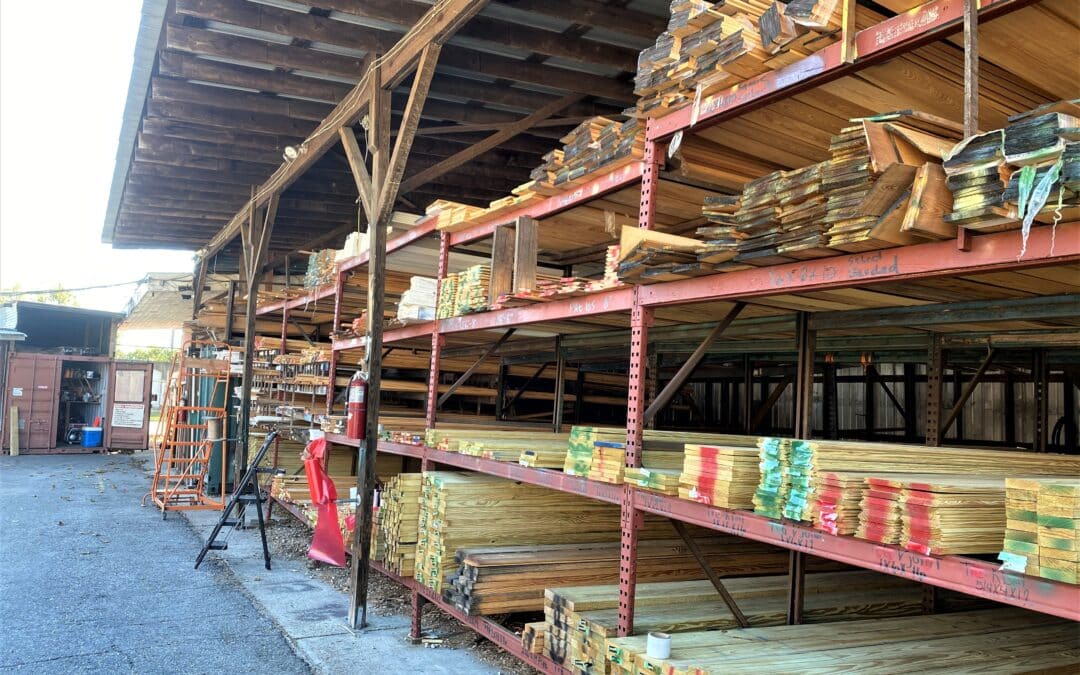
Understanding the differences between a big box store and a local lumber yard can make all the difference when choosing wood for a construction or renovation project. Big box stores offer convenience and a wide range of products, but they may not provide the same level of personalized attention, wood knowledge, or material selection guidance. A local lumber yard often focuses on quality, project-specific advice, and materials that fit the customer’s exact needs. The USDA Forest Service Wood Handbook explains that wood has physical and mechanical properties that matter to architects, engineers, and builders, which is why informed lumber selection can affect how well materials perform in a project.
Customers who need specialty boards, better grading options, or more detailed product guidance may find more value at a lumber yard than at a general retail store. Local lumber professionals can explain differences in wood type, moisture behavior, durability, and intended use before materials are purchased. These services can help customers avoid mismatched materials and choose lumber that supports long-term project quality.
Big box stores often stock mass-produced lumber, while local lumber yards may carry higher-grade wood sourced from trusted suppliers. Lumber yards can provide customized cutting services, which may be helpful for projects that require specific sizes or specialty materials. Big box stores may have lower prices on some materials, but lumber yards often offer competitive pricing on higher-quality wood.
Customer service at a lumber yard
Customer service is another major distinction between big box stores and local lumber yards. At a big box store, employees are trained to assist with a wide range of products, but they may not possess the in-depth knowledge required for specific lumber-related questions. In contrast, the staff at a local lumber yard typically consists of seasoned professionals who are well-versed in woodworking and construction, providing valuable insights to customers.
Imagine a scenario where a homeowner needs help selecting wood for a home renovation. At a lumber yard, the staff can walk them through different wood types, explain the pros and cons of each, and even suggest tools and accessories for the job.
Key advantages of a local lumber yard:
- Local lumber yard staff are often highly knowledgeable, offering expert advice on wood selection and project planning.
- Big box stores may not have dedicated lumber experts, leading to generic or inaccurate guidance.
- Lumber yards offer personalized assistance, ensuring customers make informed decisions.
Pricing differences at a local lumber yard
Pricing is an important factor when choosing between a big box store and a local lumber yard. While big box stores may offer lower prices on certain items due to their ability to purchase in bulk, the quality of lumber may not be as high. Local lumber yards, though potentially more expensive for some items, provide superior materials that are built to last. This can save customers money in the long run by reducing the need for replacements or repairs.
For example, when purchasing wood for an outdoor deck, investing in premium pressure-treated lumber from a local yard may prevent warping and damage that often occur with lower-quality wood sold at big box stores.
Consider the following:
- Local lumber yards offer competitive pricing on high-quality, durable wood.
- Big box stores may have lower upfront costs but often lack high-grade lumber.
- High-quality lumber from local yards can lead to long-term savings due to fewer replacements or repairs.
Supporting local businesses
When you purchase from a local lumber yard, you’re not just buying wood, you’re supporting your community. Big box stores are national chains with little connection to the local economy, whereas local lumber yards are often family-owned businesses that contribute to the local workforce. Choosing a lumber yard means supporting local jobs, sustaining small businesses, and keeping money within the community.
Homeowners and contractors who choose to shop locally often build relationships with the yard’s staff, receiving better deals and custom services in the long run.
Here’s why supporting local matters:
- Local businesses contribute to the local economy, creating jobs and reinvesting in the community.
- Lumber yards offer personalized service that builds long-term relationships with customers.
- Supporting a local lumber yard helps ensure the survival of small businesses in an increasingly corporate world.

Quality at Your Lumber Yard
A higher standard of quality is a growing concern, and local lumber yards are often more committed to finding better suppliers than big box stores. Every shipment should be inspected carefully to ensure that materials meet expected grade standards before they are accepted or sold. The USDA Forest Service explains that lumber quality, strength, and performance depend on wood properties such as density, moisture content, and defects, which makes careful lumber grading important for construction projects.
Customers who want high quality building products often find that a local lumber yard is a better choice. Local lumber yards may carry a more nuanced selection of lumber while also offering better transparency about where their products come from. A hardware store can be useful for everyday tools and supplies, but a lumber yard often provides deeper guidance when selecting wood for structural, decorative, or specialty building needs.
Why contractors prefer a local lumber yard
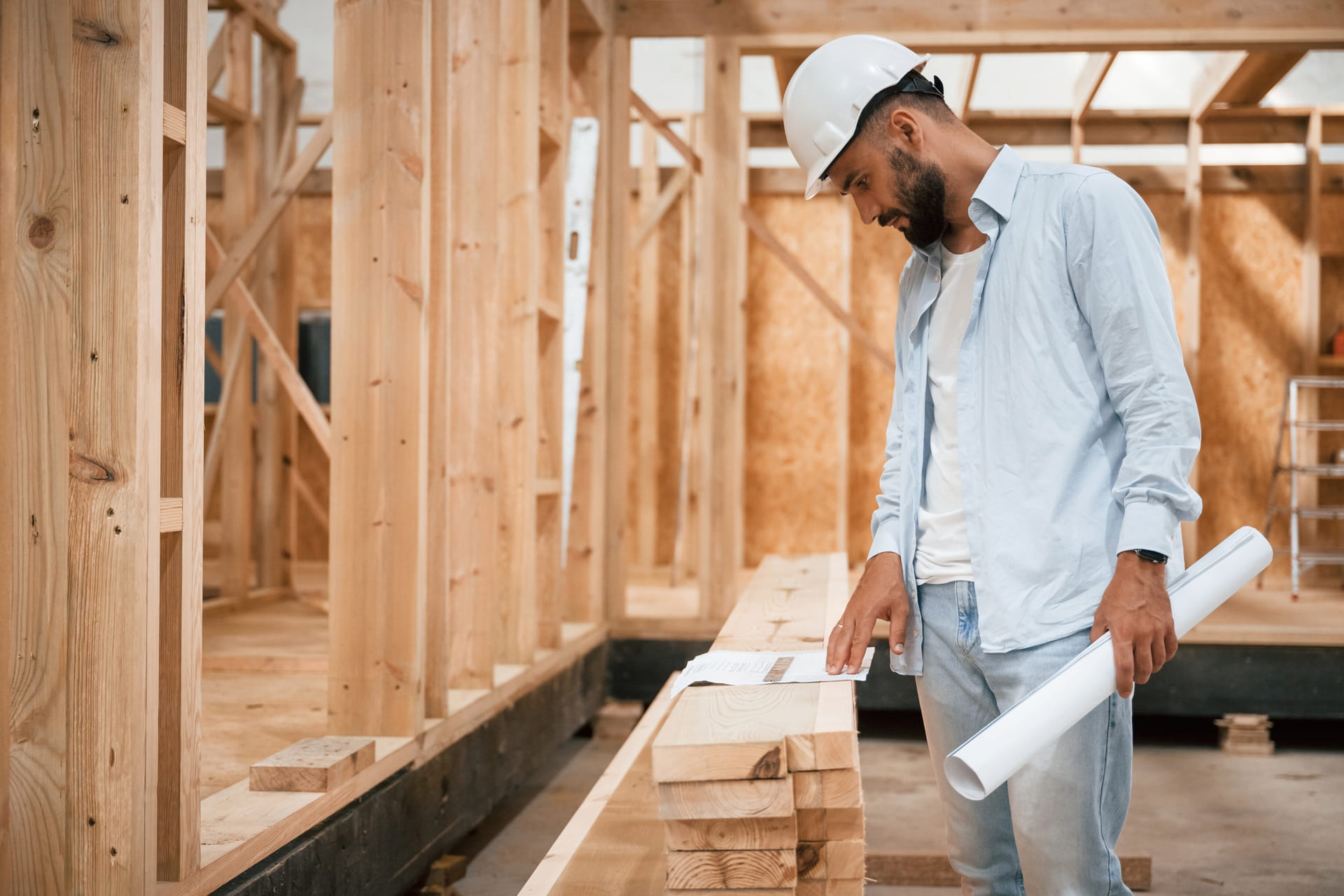
Contractors know that the success of their projects often depends on the quality of the materials they use. That’s why many professionals prefer to source their lumber from local lumber yards rather than big box stores. Local yards offer specialized materials, expert advice, and flexibility that big box stores simply can’t match. Additionally, contractors can often negotiate bulk pricing or arrange for custom orders at local yards, ensuring they get exactly what they need for the job.
When faced with a challenging project, contractors rely on the expertise of lumber yard staff to recommend the best wood, fasteners, and finishes for the job. This level of service is rarely available at big box stores.
Contractors prefer local lumber yards because:
- They offer specialized materials not available at big box stores.
- Local yards provide bulk pricing options tailored to large projects.
- Lumber yard staff offer expert guidance on product selection and use.
Key Takeaways
- Local lumber yards offer higher-quality materials than big box stores.
- Personalized service and expert advice are key advantages of local lumber yards.
- Supporting a local lumber yard benefits both the environment and the community.
Frequently Asked Questions
1. What’s the biggest difference between a local lumber yard and a big box store?
Local lumber yards focus on offering higher-quality wood and personalized service, whereas big box stores prioritize mass-produced, lower-cost lumber.
2. Is lumber more expensive at a local lumber yard?
While some items may cost more upfront, the quality and durability of the lumber at a local yard often lead to long-term savings.
3. Can a lumber yard help me choose the right wood for my project?
Yes, staff at local lumber yards are typically experts in wood selection and can offer valuable advice tailored to your project.
4. Do local lumber yards offer sustainable wood options?
Many local lumber yards source wood from sustainable forestry operations, offering eco-friendly options that may not be available at big box stores.
5. Why do contractors prefer local lumber yards?
Contractors often choose local lumber yards for their superior materials, personalized service, and flexibility in bulk pricing or custom orders.